Windows and MacOS are anti-privacy


The short-term future of personal computing doesn't look promising right now. You should consider switching to a modern Linux operating system to avoid everything you do digitally being used against you.
Unless you want your future ran by corporations, you'll need to start putting just a little bit of effort into breaking out of their convenience-jail.
Don't think that privacy matters, or that's it's too late to even try? You're wrong, and you should read about what should be.
 Corynne McSherry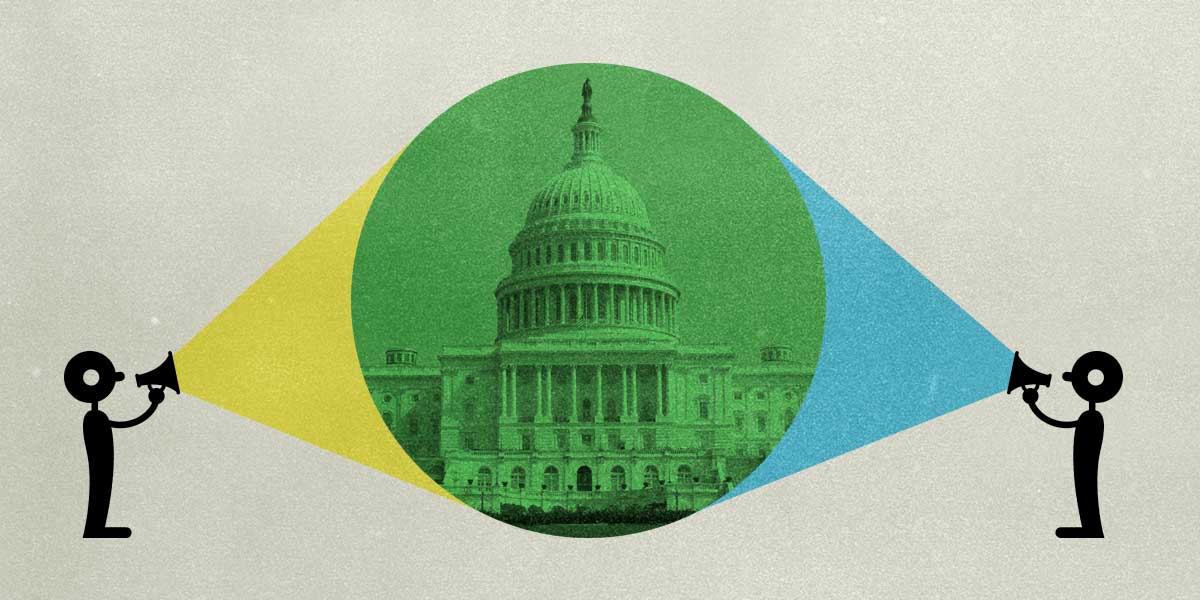
Register to use your computer
- Microsoft is working on disabling local accounts on Windows, requiring the creation of, and signing-in with, a Microsoft Account.
Local-only commands removal: We are removing known mechanisms for creating a local account in the Windows Setup experience (OOBE). While these mechanisms were often used to bypass Microsoft account setup, they also inadvertently skip critical setup screens, potentially causing users to exit OOBE with a device that is not fully configured for use. Users will need to complete OOBE with internet and a Microsoft account, to ensure device is setup correctly.
 Windows Insider Blog
Register to download your apps
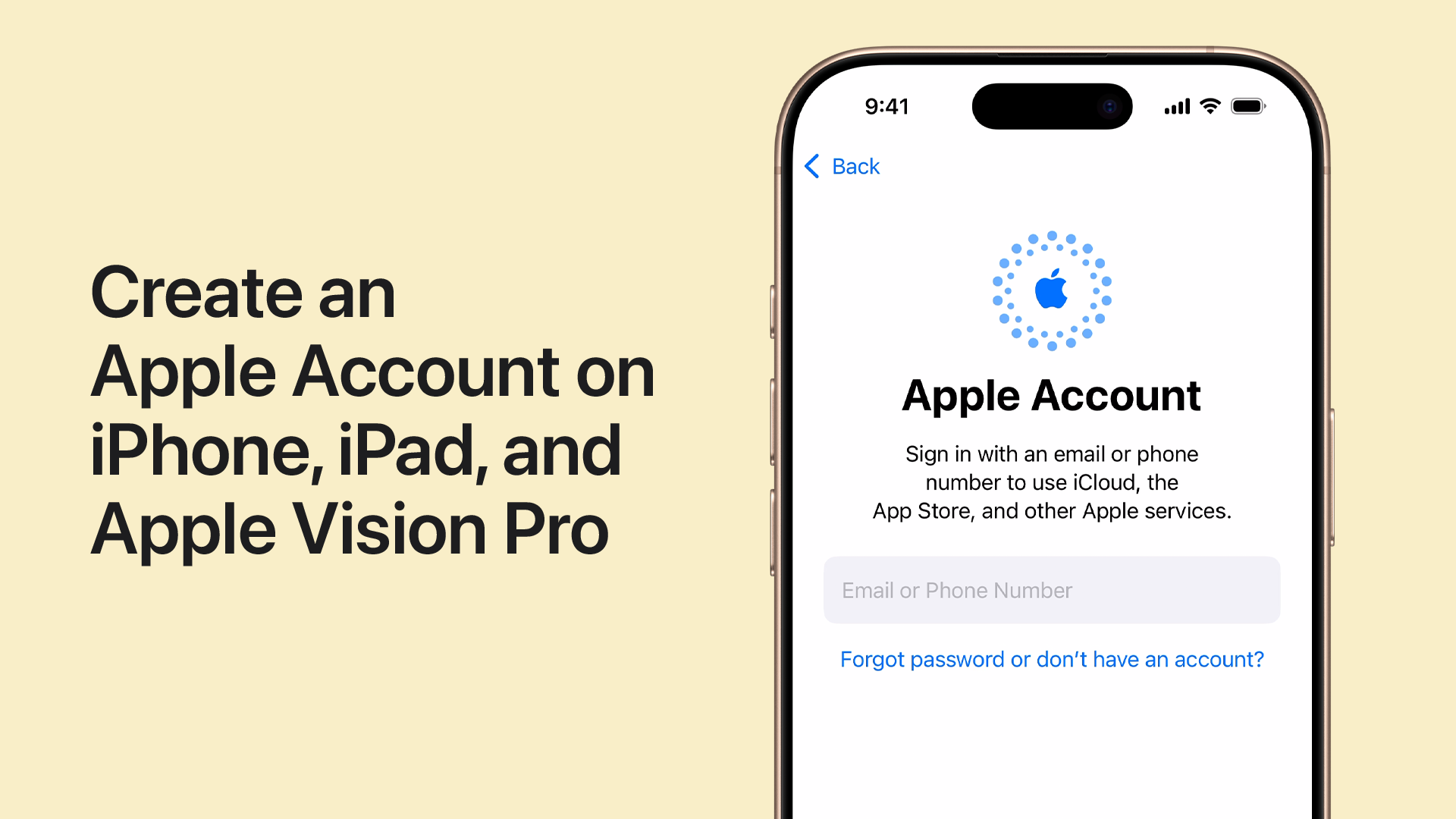
- Apple requires an Apple account to download apps from their App store. While relatively common, it creates a scenario where you can't use much of the most popular software unless you link an online account to your local machine.

- Google is making it so Android app developers who wish to publish applications in the Google Play store provide identification, significantly reducing their protections against fascist and authoritarian governments worldwide. This is in-line with other big-tech (Apple) providers.
 Maya Posch
 Ryan Whitwam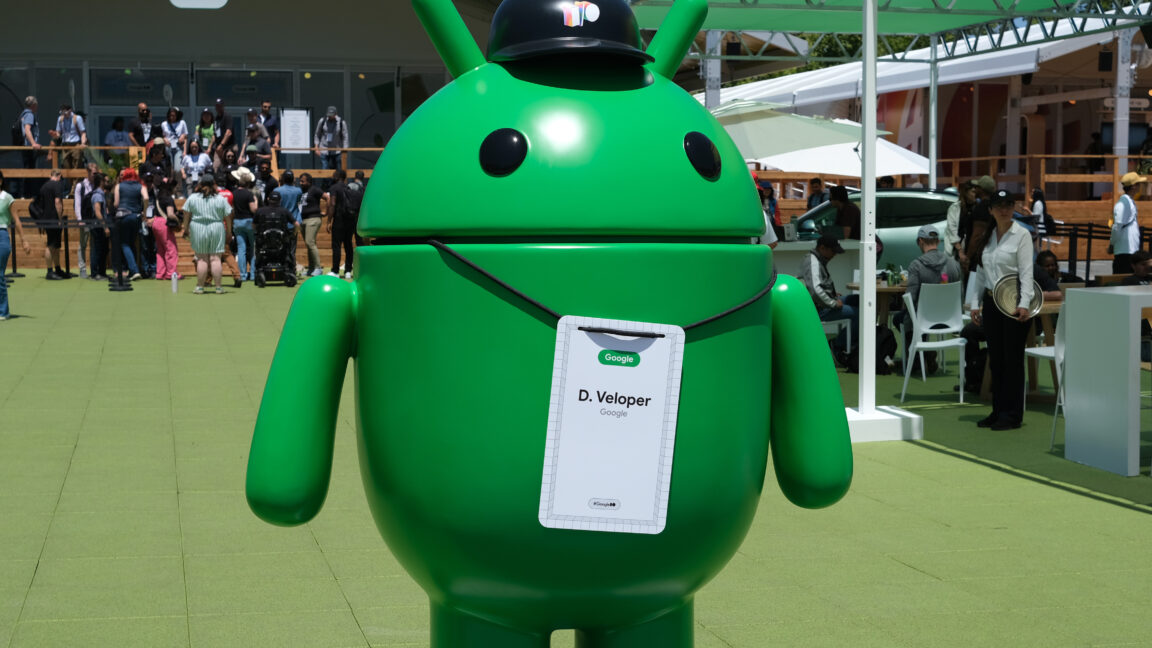
Computers are for the rich
- Micron is exiting the consumer memory market in favor of High-Bandwidth Memory (HBM) DRAM wafers used in AI-hardware.
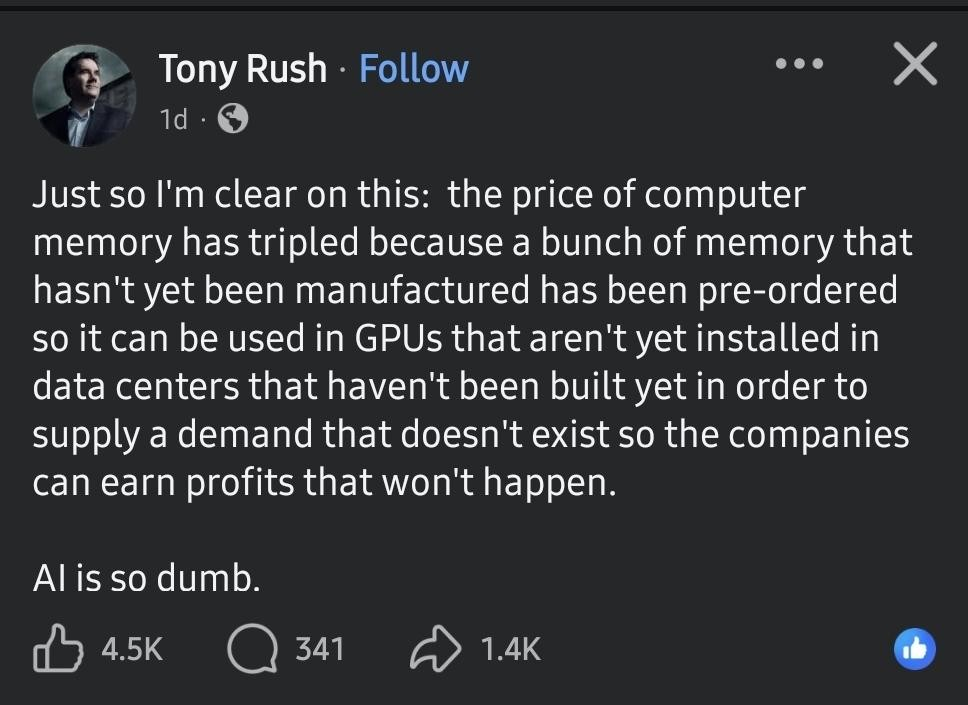
- Raspberry Pi is raising prices due to memory cost.
- Framework is doing the same.
- CyberPowerPC is also increasing prices.
- Dell, too.
 Polly Thompson
You Will Own Nothing And Like It
You know that excellent movie library you've curated across Google, Amazon, Microsoft, and various other online services over the last 20 years? If you're an elder-millennial, it's likely you've got hundreds if not thousands of dollars of digital purchases all conveniently locked into the ecosystem you were forced to purchase it through so you have to search through 4 different providers to find which one you originally got it from.


- You can't take music or movies to another service except under very limited circumstances.
- You can't download music or movies to play offline, without internet, or without a specialized DRM-decoding app.
- You can't cancel your service without losing all of your purchases or breaking the law and trying to make a copy.
 Contributors to Wikimedia projects
- Most of these applications are tracking how you watch, not just what you watch. They then sell that to advertisers who monetize or influence you at scale.
- You are actually given a license; which can be revoked at any time. Content disappears all the time - because you don't own it.
Advertisements Are Everywhere
Most media services are now some version of the following:
- A free tier with heavy advertisements and limited content.
- A paid tier with heavy advertisements and full library access.
- A premium tier with minimal or no advertisements and full library access.
And more often than not, we're starting to see advertisements required on the premium tiers as well! I don't know how any of you survive on YouTube without ad-blockers or premium tier, because it's otherwise one of the worst experiences I've ever seen in my life. Please, get an ad-blocker.
It's not all doom-and-gloom: if Vietnam can ban ads that are un-skippable, perhaps our representatives can figure out digital rights.
I wouldn't hold your breath.